



A Beginner’s Guide to Using Dropshipping Apps for Website Development
Introduction to Dropshipping and Website Development
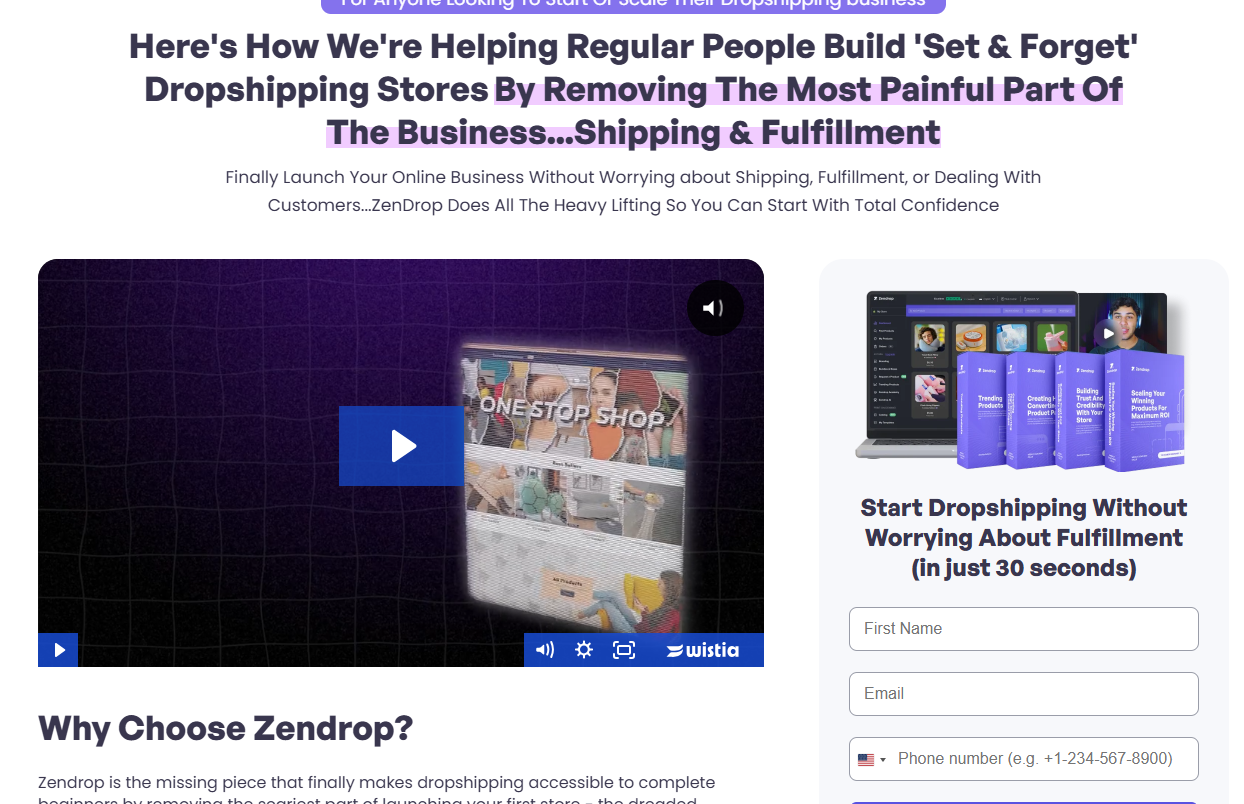
Dropshipping has emerged as a popular retail fulfillment method, enabling entrepreneurs to sell products via an online store without the need to hold inventory. This business model allows store owners to partner with suppliers who ship products directly to customers on their behalf. As a result, the entrepreneur can focus their efforts on marketing and customer engagement, rather than inventory management and logistics. The appeal of dropshipping lies in the reduced startup costs; aspiring business owners can launch an online store with minimal financial investment, avoiding the expenses associated with stocking products.
In the realm of website development, integrating dropshipping has become increasingly relevant. With the advancement of e-commerce technologies, entrepreneurs can now build user-friendly and visually appealing websites that connect seamlessly with dropshipping apps. This integration not only streamlines operations but also enhances the customer shopping experience. Entrepreneurs can curate a diverse product selection from various suppliers and offer it through their online platforms, all while managing their store from a single dashboard.https://asadmarket.com/wp-admin/post.php?post=1455&action=edit#/
One of the significant benefits of adopting a dropshipping model within the context of website development is the mitigation of risk associated with traditional retail, where unsold inventory often leads to losses. By utilizing dropshipping, business owners can experiment with different product offerings and marketing strategies without the fear of financial setbacks related to unsold products. This flexibility is especially advantageous for new entrepreneurs as they navigate the complexities of building a successful online presence.
In summary, the convergence of dropshipping and website development creates a favorable environment for entrepreneurs looking to enter the e-commerce landscape. The low barrier to entry and minimized inventory risks make this business model an attractive choice, fostering innovation and adaptability in a constantly evolving market.https://asadmarket.com/wp-admin/post.php?post=1455&action=edit#/
Choosing the Right Dropshipping App
When venturing into the world of dropshipping, selecting the right dropshipping app is crucial for your business’s success. Numerous factors must be considered to ensure that the chosen app aligns with your specific needs and operational goals. One of the primary aspects to evaluate is the product sourcing capabilities of the app. A robust dropshipping app should provide access to a wide array of suppliers, allowing you to offer a diverse range of products. High-quality sourcing options can significantly impact your service’s quality, leading to customer satisfaction and increased sales.
Another critical element to consider is the user interface of the dropshipping app. A user-friendly interface can streamline your website development process, allowing you to manage products, orders, and customer interactions with ease. Apps that offer intuitive navigation, clear dashboards, and easy-to-follow tutorials can save you valuable time and reduce the learning curve associated with new software.
Compatibility with various ecommerce platforms is also a vital consideration when choosing a dropshipping app. Ensure that the app you select integrates seamlessly with your website framework, whether it be Shopify, WooCommerce, or another ecommerce system. This compatibility not only simplifies the setup process but also reduces the likelihood of technical issues in the future.
Lastly, customer support is an essential feature that should never be overlooked. A dropshipping app should provide timely and effective support, ensuring that any questions or problems can be resolved quickly and efficiently. This support may include live chat options, email assistance, and extensive knowledge bases. By evaluating these key features—product sourcing capabilities, user interface, ecommerce platform compatibility, and customer support—you can confidently choose the dropshipping app that best meets your business requirements.
Setting Up Your E-commerce Website
Establishing an e-commerce website is a crucial first step in leveraging dropshipping apps to streamline your online business. The initial phase involves selecting a reliable hosting provider. This choice will essentially determine the performance and security of your website. Therefore, you should opt for a hosting service that is not only reputable but also optimized for e-commerce functionalities. Popular options include Bluehost, SiteGround, and HostGator, each providing varying features tailored to online retailers.
Next, you will need to choose a domain name. This identifies your business online and plays a significant role in branding. A memorable domain name that reflects your product offerings can enhance customer trust and recognition. When selecting a domain, consider keeping it concise and easy to spell, as complicated names might discourage customers from returning to your site.
Once your hosting and domain choices are in place, the next step is to set up your e-commerce platform. Popular platforms such as Shopify and WooCommerce offer diverse functionalities that cater to different business needs. Shopify, known for its user-friendliness, provides comprehensive tools to manage dropshipping and inventory. Conversely, WooCommerce, while slightly more complex, allows for more extensive customization, making it a preferred choice for those with technical expertise.
In addition to these foundational components, it is essential to focus on website design and usability. Aspects such as intuitive navigation, visually appealing layouts, and responsive design are crucial in attracting and retaining customers. Ensuring that your website is mobile-friendly also plays a vital role, as an increasing number of shoppers are using mobile devices to browse and purchase items online. Prioritizing user experience will ultimately foster customer loyalty and drive sales through your dropshipping endeavors.
Integrating the Dropshipping App with Your Website
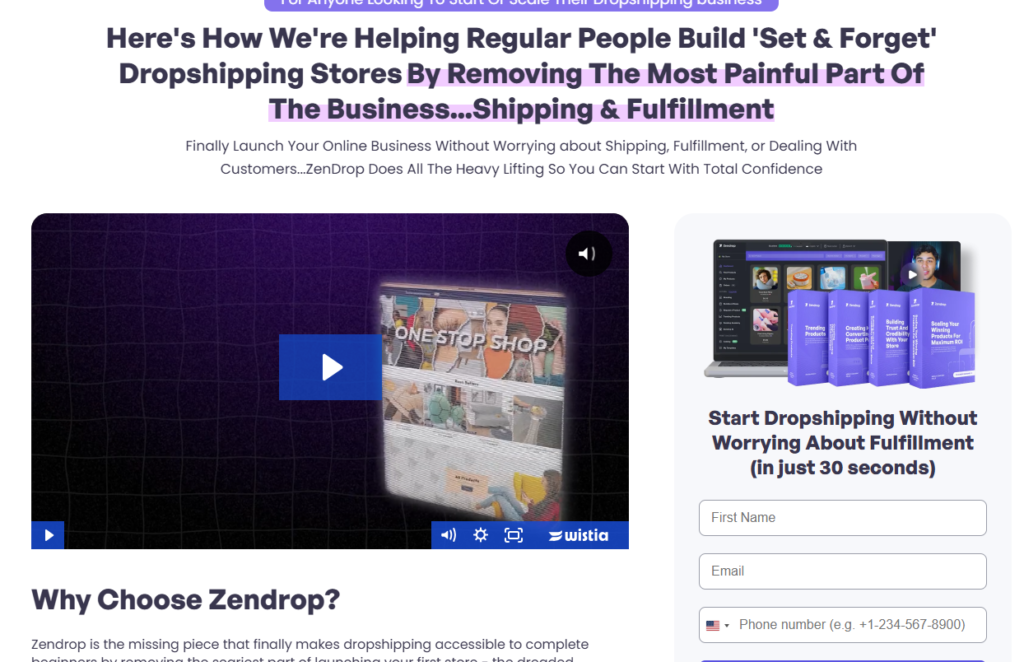
Integrating a dropshipping app with your e-commerce website is a crucial step in launching your online business. This process typically involves several phases, each essential for ensuring a seamless operation. Begin by selecting a suitable dropshipping app that aligns with your business needs, as various platforms offer different features and functionalities. Popular options include Oberlo, Spocket, and Printful, which cater to various niches and operational styles.
Once you have chosen the dropshipping app, the initial step is to create an account on the platform. This usually entails providing basic information about your business and confirming your email address. After establishing your account, the next step involves linking the dropshipping app to your website. Most apps offer integration tools designed for major e-commerce platforms like Shopify, WooCommerce, or BigCommerce. Follow the specific instructions provided by the dropshipping app to connect it to your website. This process often involves installing a plugin or app directly from the e-commerce platform’s app store.
After successful integration, you will need to configure the settings of the dropshipping app. This includes setting your preferred currency, shipping options, and payment processing methods. Many apps also allow you to customize your product import settings, which lets you control how product details are displayed on your website. It is essential to review these configurations to ensure they align with your business model and customer expectations.
Finally, synchronize products from the dropshipping app to your website. This involves selecting products you wish to sell and importing them into your online store. Pay attention to product descriptions, images, and prices during this phase to ensure they meet your brand’s standards. After completing this process, test your site thoroughly to confirm that everything functions properly before launching your online business.
Adding Products to Your Website
When starting an e-commerce business using dropshipping apps, one of the crucial steps is adding products to your website. Selecting the right products involves thorough market research. Look for items that align with current trends, possess demand, and have a competitive edge. Tools provided by dropshipping apps often allow you to analyze best-selling products, customer preferences, and price points, which can guide your selection process. Always ensure that the products you choose resonate with your target audience.
Once you have identified suitable products, the next step is to write compelling product descriptions. Descriptions should be informative yet engaging, highlighting the unique features and benefits of the products. Incorporate relevant keywords to optimize searchability, ensuring potential customers can easily find your products. Product descriptions should also address common customer queries and emphasize the value each item provides. This approach fosters trust and encourages purchases.
Setting appropriate pricing strategies is another integral part of the process. Evaluate competitor pricing and consider your profit margins while determining your prices. Implementing strategies like psychological pricing, where items are priced just below a round number (e.g., $19.99 instead of $20), can enhance perceived value. Additionally, keeping an eye on promotional pricing, discounts, or bundle offers can attract more customers and boost sales.
Lastly, managing inventory is essential when dealing with products sourced through dropshipping apps. Regular monitoring of stock levels and supplier lead times will help prevent overselling or stock discrepancies. Many dropshipping applications provide inventory management tools that can automate this process, notifying you of low stock and ensuring that product availability is always up to date. This proactive approach in adding products not only simplifies operations but also enhances customer satisfaction, ultimately contributing to a successful e-commerce venture.
Creating a User-Friendly Online Shopping Experience
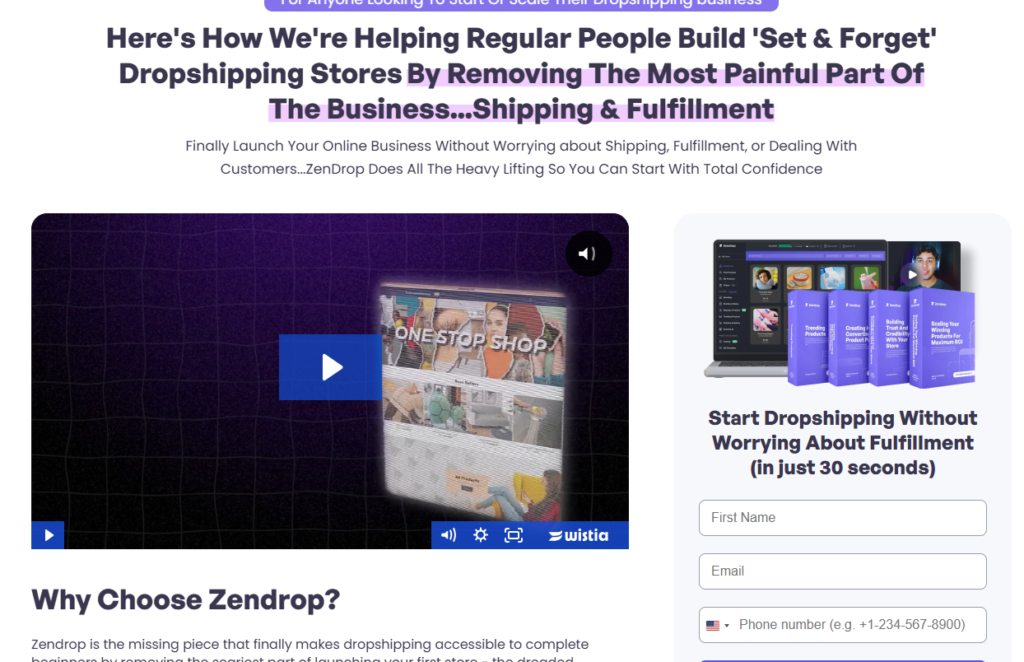
In the competitive realm of e-commerce, creating a user-friendly online shopping experience is paramount to driving customer loyalty and increasing sales. A well-structured website minimizes frustration and encourages customers to complete their purchases. Key elements in enhancing the customer experience include intuitive navigation, efficient search functionalities, and streamlined checkout processes.
First, focus on the navigation of your website. It should be straightforward and logical, allowing users to easily find what they are looking for. Categories should be clearly labeled, and subcategories should be accessible without convoluted menus. Think of navigation as the backbone of your online store; a well-organized layout will significantly decrease the time users spend searching for products. Including a breadcrumb trail can also aid in quick navigation, giving customers an easy way to retrace their steps.
Next, search functionality is critical in enhancing user experience. Implement a robust search bar that allows users to filter results by various criteria such as price, popularity, and customer ratings. An advanced search feature can significantly increase usability, especially for websites with extensive product catalogs. Offering autocomplete suggestions can also help guide customers to the products they desire faster.
Furthermore, the checkout process must be as frictionless as possible. Minimize the number of steps required to complete a purchase, and provide options for guest checkout to avoid losing potential sales from customers unwilling to create an account. Security is also a top priority; prominently display security badges to reassure customers that their information is protected.
Additional considerations include improving page loading speeds and maintaining an uncluttered design. Slow-loading pages can lead to high bounce rates, which can negatively impact your search rankings and sales. Aim for a clean, attractive design that complements the products offered without overwhelming customers. Prioritizing these elements will contribute towards a seamless shopping experience, ultimately encouraging repeat visits and customer satisfaction.
Marketing Your Dropshipping Store
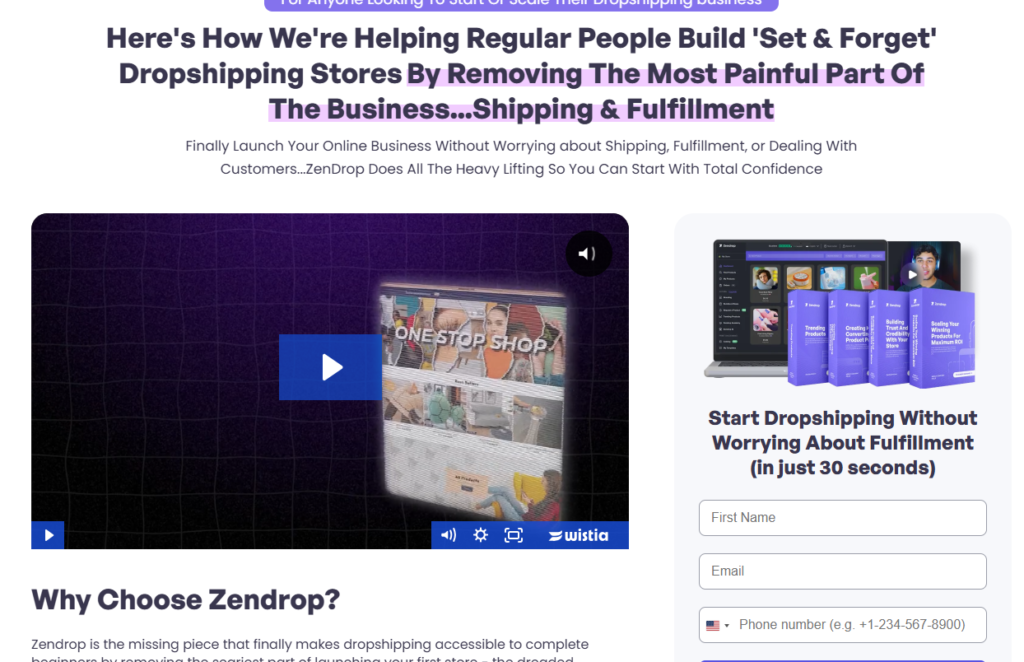
Once your dropshipping store is established, the next crucial step is attracting potential customers. Effective marketing strategies are essential for driving traffic to your website and converting visitors into buyers. Among the various strategies available, Search Engine Optimization (SEO) is an effective method for improving your store’s visibility on search engines. By optimizing your website’s content with relevant keywords, high-quality images, and engaging product descriptions, you can increase your chances of appearing in search results when customers search for products you offer. Consider using tools like Google Analytics and SEMrush to analyze website traffic and identify effective keywords.
In addition to SEO, social media marketing is another powerful avenue for promoting your dropshipping store. Platforms such as Instagram, Facebook, and Pinterest allow you to reach a wider audience. By sharing visually appealing content, engaging with customers, and running targeted ads, you can create brand awareness and drive traffic to your site. It is also beneficial to collaborate with influencers who align with your brand, as their endorsement can attract new customers and enhance credibility.
Email marketing should not be overlooked, as it is an effective way to retain existing customers and encourage repeat purchases. Building an email list allows you to send personalized promotions, newsletters, and updates regarding new product launches directly to potential buyers. Utilizing tools like Mailchimp can simplify the process of designing and automating your email campaigns.
Lastly, consider leveraging paid advertising options such as Google Ads and Facebook Ads. These platforms allow you to target specific demographics based on interests, behaviors, and locations, ensuring your marketing efforts reach those most likely to convert. By incorporating these diverse marketing strategies, you can effectively drive traffic to your dropshipping store and boost your chances of achieving sales success.
Managing Orders and Customer Service
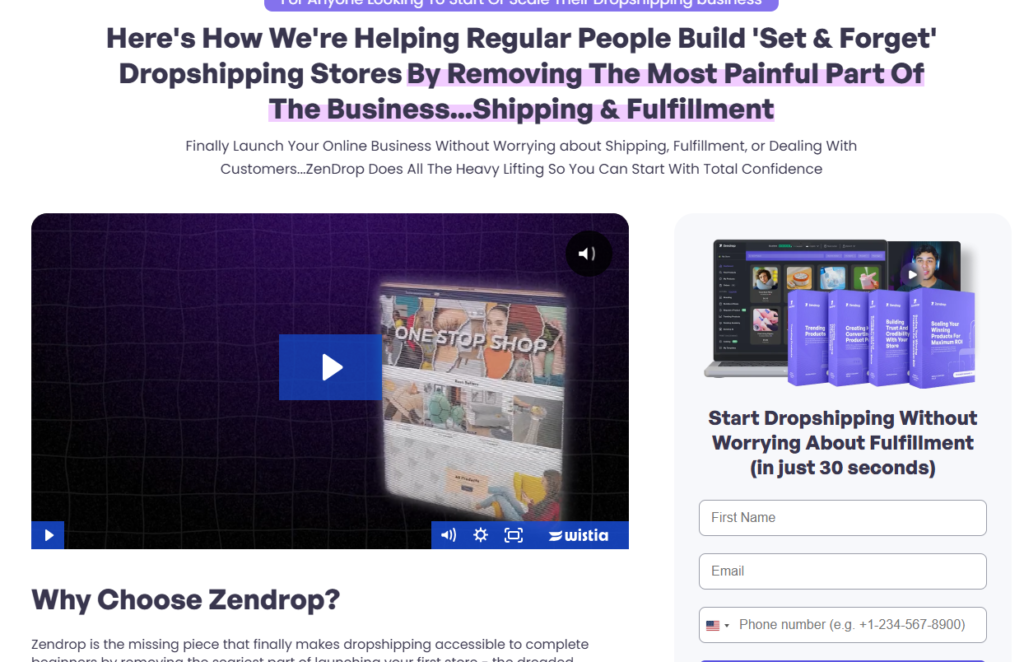
In the world of dropshipping, effective management of orders and customer service is paramount to achieving success. A robust dropshipping app can streamline these processes, which are essential for maintaining high levels of customer satisfaction. To begin with, it is crucial to establish efficient order management procedures. This can be facilitated through the order automation features provided by most dropshipping apps. These features can automatically notify suppliers once an order is placed, thus minimizing processing times and error rates.
Tracking orders is another vital aspect of the dropshipping operation. Most dropshipping apps offer integrated order tracking tools that allow customers to monitor their shipments in real-time. Providing customers with timely updates about their order status not only keeps them informed but also enhances their overall experience. It is advisable to clearly communicate tracking information via email or through your website, thereby reducing the volume of customer inquiries regarding order status.
Customer service is equally important in the dropshipping model. Given the online nature of many businesses, maintaining clear communication channels is essential. Ensure customers know how to reach you through email, live chat, or social media for any inquiries or concerns. Prompt responses to customer queries can significantly influence their satisfaction levels and ultimately encourage repeat purchases.
Additionally, having well-defined return policies is necessary for instilling confidence in your customers. Make sure these policies are transparently displayed on your website. Customers are likely to prefer businesses that offer hassle-free returns, which can lead to increased trust and loyalty. Enhancing customer satisfaction through effective order management, clear communication, and reasonable return policies will foster a positive dropshipping experience, ultimately contributing to the long-term success of your online store.
Analyzing Performance and Making Improvements
In the realm of e-commerce, understanding performance metrics is vital for success, particularly when utilizing dropshipping apps for website development. The analysis of website performance encompasses a variety of factors, including sales metrics, customer behavior, and overall website traffic. By leveraging analytics tools, business owners can gain valuable insights that inform their decision-making processes and foster continuous improvement.
Analytics tools such as Google Analytics, Shopify Analytics, and other specialized platforms provide a treasure trove of data. These tools enable website owners to track essential metrics such as conversion rates, average order value, and customer acquisition costs. Understanding these numbers is crucial for identifying trends and pinpointing areas that require enhancement. For instance, if the analytics reveal a high cart abandonment rate, this may indicate issues in the checkout process that need addressing. By recognizing such patterns, business owners can implement strategies to optimize their sales funnels and improve customer retention.
Moreover, analyzing customer behavior is equally important. Tools that monitor user interactions, such as heatmaps and session recordings, can help identify how visitors navigate the website. This information can reveal which sections of the website drive engagement and which may be causing friction. By focusing on user experience, entrepreneurs can make informed decisions about layout changes or feature enhancements that could lead to higher customer satisfaction and increased sales.
Additionally, tracking website traffic allows business owners to evaluate the effectiveness of their marketing strategies. By understanding where visitors are coming from—be it social media, organic search, or paid advertising—entrepreneurs can allocate their marketing efforts more efficiently, ensuring a better return on investment.
Through meticulous analysis and ongoing adjustments, dropshipping website owners can significantly enhance their platform’s performance, ultimately leading to greater sales and a successful online presence.